
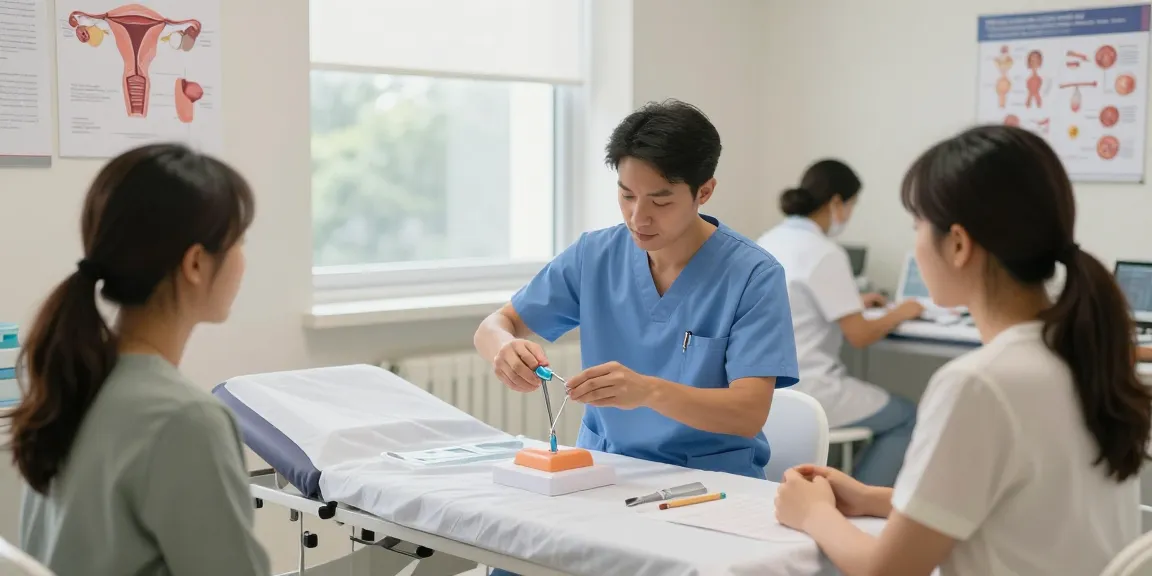
The Role of the Vaginal Speculum in Gynecological Care
The vaginal speculum is a vital instrument in gynecological examinations, playing a key role in the early detection and treatment of various women's health issues. This device allows healthcare providers to gain clear visibility into the vaginal canal and cervix, ensuring thorough and effective assessments. Whether it’s a routine check-up or a more specialized examination, the use of a vaginal speculum is essential in fostering proactive healthcare measures. Understanding its function and addressing common concerns can vastly improve the patient experience. For detailed insights into its usage, vaginal speculum resources are invaluable for both patients and practitioners.
What is a Vaginal Speculum?
A vaginal speculum is a medical instrument made from metal or plastic, designed to gently open the vaginal walls. It typically consists of two blades that can be operated via a hinge mechanism, allowing the provider to adjust the width of the opening. This tool is employed during gynecological exams to facilitate the inspection of the cervix, enabling the collection of necessary samples for testing. Its use dates back centuries, evolving significantly over time to enhance patient comfort and procedural effectiveness.
Importance in Routine Examinations
Routine examinations involving the vaginal speculum are crucial for early detection of potential issues such as cervical cancer, sexually transmitted infections (STIs), and other reproductive health concerns. Regular screenings, often starting at age 21 or within three years of becoming sexually active, help track changes in a woman’s gynecological health. During these exams, healthcare providers can perform Pap smears, pelvic exams, and HPV testing, all of which are vital for maintaining women’s health and preventing serious conditions.
Common Misconceptions About Use
Many women harbor misconceptions regarding the vaginal speculum, often associating it with pain and discomfort. However, understanding its purpose and the measures in place to ensure a more comfortable experience can alleviate anxiety. Additionally, misconceptions about the frequency and necessity of examinations can hinder proactive healthcare. Education about what to expect during the procedure and the benefits it offers for long-term health is essential in transforming these perceptions.
Understanding Patient Experience with the Vaginal Speculum
Patient experience during gynecological exams, particularly involving vaginal speculums, is a critical component in ensuring effective healthcare delivery. Many women express anxiety before their appointments, and addressing these concerns through education and supportive practices can greatly enhance comfort and outcomes. Providers can foster a more positive environment by employing effective communication strategies and being mindful of patient emotions during examinations.
Patient Comfort and Anxiety Factors
Comfort levels vary significantly among patients, primarily influenced by factors such as previous experiences, fear of pain, and lack of understanding of the procedure. Anxiety can be reduced through clear communication about what will happen during the examination, which can help patients feel more in control. The role of empathy in healthcare cannot be overstated, as understanding a patient’s feelings can guide how the provider approaches the examination.
Feedback from Clinical Studies
Clinical studies have shown that patient feedback is instrumental in improving the gynecological examination experience. Research indicates that women who receive thorough explanations and reassurance before and during the examination tend to report higher satisfaction levels. Additionally, findings suggest that the use of more anatomically conforming speculum designs has been linked to reduced discomfort and a more positive overall experience.
Improving Patient Interactions and Education
Enhancing patient education around the vaginal speculum can significantly improve interactions. By providing resources, such as informative videos or pamphlets, healthcare providers can demystify the procedure. It’s also beneficial to invite patients to ask questions and express concerns, fostering a collaborative environment where they feel supported and informed.
Best Practices for Healthcare Providers
To achieve the best outcomes for patients, healthcare providers must implement effective practices around the use of the vaginal speculum. This includes employing communication strategies that prioritize patient comfort while ensuring that examinations are thorough and efficient.
Effective Communication Techniques
Effective communication begins long before the exam. Providers should ensure that patients understand the purpose of the vaginal speculum and the procedure itself. Using layman's terms, avoiding medical jargon, and providing reassurance can help ease anxiety. Moreover, discussing potential discomfort and how it can be minimized is essential in preparing patients for their experience.
Proper Usage and Technique Tips
Proper technique significantly influences patient comfort during the examination. Providers should ensure they are using the correct size of the speculum and apply appropriate lubrication to minimize discomfort. Additionally, demonstrating the opening process gently allows patients to feel more at ease as they can visualize what to expect. Maintaining a calm demeanor throughout the procedure can also help patients feel more secure.
Addressing Patient Concerns and Questions
Active listening is crucial when addressing patient concerns. Providers should encourage patients to express any worries they may have and take time to answer questions thoroughly. This not only helps to build trust but also empowers patients to take an active role in their healthcare decisions.
Case Studies: Real-World Applications and Outcomes
Real-world applications of improved practices surrounding the vaginal speculum demonstrate profound impacts on patient engagement and treatment outcomes. By analyzing case studies, we can identify effective strategies that enhance the overall experience.
Successful Patient Engagement Strategies
One notable strategy includes the implementation of pre-exam consultations where patients can ask questions specific to their health concerns. This approach has shown to increase comfort levels and reduce anxiety significantly. In a study involving women undergoing routine exams, those who participated in these consultations reported feeling more empowered in their health decisions.
Impact on Treatment Outcomes
Moreover, hospitals that have incorporated patient feedback mechanisms regarding their experiences with the vaginal speculum noted improved adherence to follow-up evaluations. Patients who feel heard and understood are more likely to return for necessary exams, which is crucial in early detection and treatment of gynecological issues.
Innovations in Gynecological Exam Processes
Innovative approaches, such as the use of digital tools to provide patients with real-time feedback during and after examinations, are gaining traction. These tools can help monitor comfort levels and allow healthcare providers to adjust their techniques accordingly, creating a more responsive and tailored healthcare experience.
Future Trends in Gynecological Health and Speculum Use
The future of gynecological health is poised for transformation, with advancements promised in technology and understanding patient-centered care. As healthcare continues to evolve, so too does the role of the vaginal speculum.
Technological Advances in Medical Instruments
Emerging technologies in medical instruments are expected to enhance the design and functionality of the vaginal speculum. Innovations such as 3D-printed speculums customized to individual anatomy may soon become commonplace, potentially increasing comfort and efficacy during examinations.
Patient-Centered Care Initiatives
Patient-centered care initiatives are gaining momentum, with a focus on understanding patient experiences to craft more individualized healthcare solutions. These initiatives emphasize the importance of listening to patient feedback and using it to refine practices around gynecological examinations.
Predictions for the Future of Women's Health in 2026
As we look towards 2026, predictions highlight a continued push towards more holistic approaches in women's health. Increased awareness of mental health's role in physical wellness will likely shape how providers approach examinations involving the vaginal speculum. Integrating emotional support within clinical practices will be essential in enhancing patient experiences and outcomes.
What types of vaginal speculums are available?
A range of vaginal speculums exists to cater to different needs, including reusable metal speculums and disposable plastic versions. Each type offers distinct advantages, such as sustainability versus convenience, and healthcare providers can select based on patient needs and clinical protocols.
How can patients prepare for a gynecological exam?
Preparing for a gynecological exam involves several key considerations. Patients should try to schedule their appointments during times when they are less likely to be menstruating and come with a list of any medications they are taking. Additionally, understanding the procedure ahead of time can help ease any anxiety, making the experience more manageable.
What should patients expect during a speculum examination?
During a speculum examination, patients can expect to be asked about their medical history, followed by the insertion of the speculum to allow for visual inspection. The process typically involves a small amount of pressure but should not cause significant pain. Providers will communicate throughout the procedure to ensure comfort levels are maintained.
Is the vaginal speculum painful to use?
While the vaginal speculum may cause some discomfort, it should not be painful. Patients often report more discomfort from anxiety than the procedure itself. Techniques to enhance comfort, such as relaxation methods and the use of lubrication, can significantly mitigate any discomfort experienced.
What alternatives exist to the traditional vaginal speculum?
Alternatives to the traditional vaginal speculum include devices such as the single-use, self-opening speculum, which may be less intimidating for some patients. Additionally, advancements in imaging technology, such as ultrasound, may offer non-invasive options for certain assessments, reducing the reliance on speculums in specific situations.